
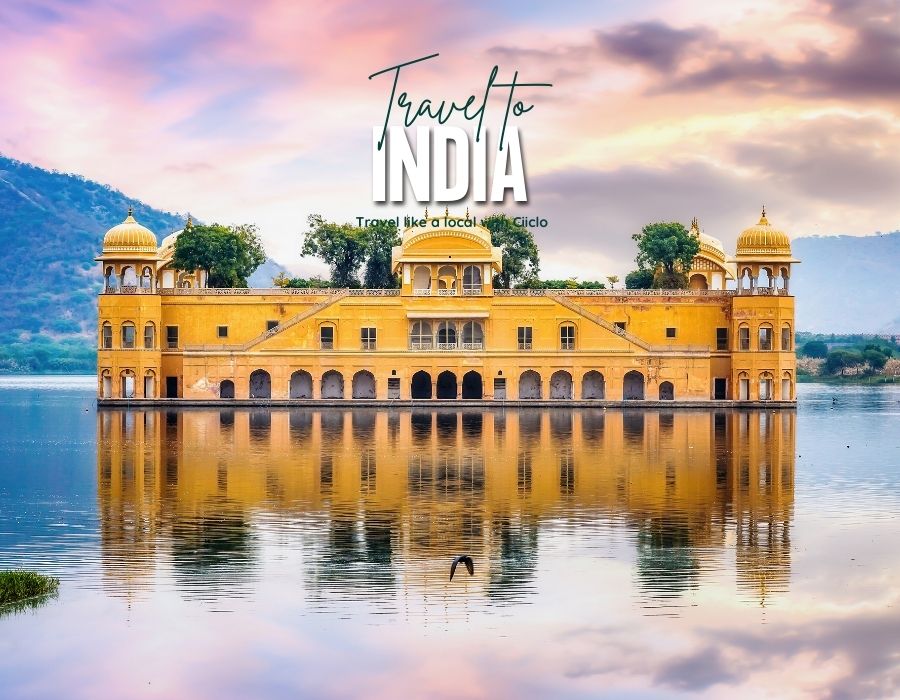
This North India itinerary covers history, spirituality and royal heritage in 14 days. The route runs through New Delhi, Agra, Jaipur, Pushkar and Bikaner, and it suits first-time visitors who want the essence of India in one trip. It also balances imperial cities, sacred towns and desert landscapes. As a result, you see the classic highlights without rushing.
North India Itinerary at a Glance
- Duration: 14 days, because the route covers five regions.
- Route: New Delhi, Agra, Jaipur, Pushkar and Bikaner, then back to Delhi.
- Highlights: The Taj Mahal, Amber Fort, Pushkar Lake and Junagarh Fort.
- Best for: First-time visitors, while history and culture lovers also enjoy it.
- Best time: October to March, although the desert stays hot in summer.
Highlights of This North India Itinerary
- First, explore Old and New Delhi, from the Red Fort to Humayun’s Tomb.
- Watch the sunrise at the Taj Mahal, a UNESCO World Heritage Site.
- Visit Amber Fort, the City Palace and Hawa Mahal in Jaipur.
- Relax in Pushkar, a sacred town beside a holy lake.
- Discover Junagarh Fort and the desert heritage of Bikaner.
- Follow a balanced pace, because each stop has two or more nights.
The route passes several UNESCO World Heritage Sites, such as the Taj Mahal, Agra Fort and Jantar Mantar. You can read more on UNESCO’s page for World Heritage Sites in India. For Rajasthan, see Rajasthan Tourism. To explore more destinations, browse our India travel guide.
North India Itinerary: 14 Days from Delhi to Bikaner
The plan below shows a comfortable order of the days. Road conditions, train times and opening days can change the plan, so confirm the details before you travel.
Days 1–3: New Delhi, India’s Capital of Contrasts
Your journey begins in New Delhi, a city where ancient history meets modern life. From Mughal-era monuments to bustling markets and wide boulevards, Delhi shows India’s diversity in one place. Visit the Red Fort and Jama Masjid, then see India Gate and Rashtrapati Bhavan. In addition, Humayun’s Tomb and Qutub Minar show the city’s layered past, while the street food and bazaars of Old Delhi add vibrant energy.
Days 4–5: Agra, Home of the Taj Mahal
From Delhi, travel to Agra, one of India’s most famous historical cities. Agra is best known for the Taj Mahal, a UNESCO World Heritage Site and one of the New Seven Wonders of the World. A sunrise visit is the highlight, because the light is soft and the crowds are smaller. You also explore Agra Fort, a masterpiece of Mughal architecture. Mehtab Bagh offers views of the Taj across the Yamuna River.
Days 6–8: Jaipur, the Pink City of Royals
Next, continue to Jaipur, the capital of Rajasthan and part of the famous Golden Triangle. Known as the Pink City, Jaipur is full of palaces, forts and colorful streets. Visit Amber Fort and its hilltop palaces, the City Palace and Jantar Mantar. Then see Hawa Mahal, the Palace of Winds. You can also shop for local handicrafts, jewelry and textiles. Jaipur reflects the grandeur of India’s royal past, while it stays lively and welcoming.
Days 9–10: Pushkar, Spiritual Heart of Rajasthan
From Jaipur, head to the sacred town of Pushkar, one of the oldest cities in India. It is known for its peaceful atmosphere and spiritual significance. Walk around Pushkar Lake and its holy ghats, and visit the Brahma Temple, one of the few in the world. Relaxed cafes and sunset views also make the town easy to enjoy. Pushkar gives you insight into Hindu rituals and traditions, and it offers a calm contrast to the busy cities earlier in the trip.
Days 11–12: Bikaner, Desert Forts and Heritage
Continue into the Thar Desert region to Bikaner, a lesser-known gem with impressive architecture and authentic local culture. Junagarh Fort is one of Rajasthan’s finest forts. The old city markets and heritage streets are also worth a walk. In addition, you can learn about camel culture and see desert landscapes. Visit the Karni Mata Temple, the famous Rat Temple, and remove your shoes before you enter. Bikaner provides a deeper and less touristy look at Rajasthan’s desert heritage.
Days 13–14: Return to Delhi and Reflection
The final days are for travel back toward Delhi or onward connections. They also leave time for rest, shopping and reflection. After 14 days, you gain a complete picture of North India, from imperial cities and royal forts to sacred towns and desert life.
How Long Are the Drives on a North India Itinerary?
Distances in India are long, so plan each leg with care. The times below are estimates, and traffic can change them.
- Delhi to Agra: About three to four hours by road.
- Agra to Jaipur: About five to six hours, so many travelers stop at Fatehpur Sikri on the way.
- Jaipur to Pushkar: About three hours.
- Pushkar to Bikaner: About five to six hours, because the road crosses open desert.
- Bikaner to Delhi: A full day by road, although an overnight train is another option.
Why Choose This North India Itinerary
- Covers India’s best-known destinations without rushing.
- Balances history, culture, spirituality and architecture.
- Suits first-time visitors, because the pace is steady.
- Uses roads and trains between cities, although some legs are long.
This itinerary is one of the classic routes in North India.
Best Time to Go and What to Bring
Many travelers visit from October to March, because the weather is comfortable for sightseeing. In contrast, April to June is very hot, especially in the desert. The monsoon from July to September brings rain and fewer crowds.
- Dress modestly at temples, because you may need to remove your shoes.
- Bring layers, since early mornings and desert nights can be cool in winter.
- Carry sunscreen, a hat and a refillable water bottle, because the days are long and warm.
- Drink bottled water, since the heat and the food can upset your stomach.
- Check visa rules early, because many travelers apply for an e-visa on the official Indian e-visa portal.
North India Itinerary FAQ
How many days do you need for a North India itinerary?
This route takes 14 days. However, the classic Golden Triangle of Delhi, Agra and Jaipur fits into about five or six days.
What is the best time to visit North India?
October to March has the most comfortable weather. In contrast, April to June is very hot, and July to September is the monsoon season.
Is this North India itinerary good for first-time visitors?
Yes, because it covers the best-known cities at a steady pace. Moreover, Pushkar and Bikaner add quieter stops after the busy cities.
Is Pushkar worth visiting?
Yes, if you want a calm and spiritual stop. The town sits beside a holy lake, and it has a relaxed atmosphere compared with Delhi and Jaipur.
What is the Karni Mata Temple?
It is a famous temple near Bikaner, also called the Rat Temple. Visitors remove their shoes, so wear socks and prepare for a unique experience.
Do I need a visa for India?
Most travelers need a visa, and many apply for an e-visa online. However, rules change, so check the official portal before you book.
Can you cancel the booking for free?
Free cancellation depends on the service and the date, so check the terms before you book. You can also read our Refund and Cancellation Policy for details.
Plan Your North India Itinerary with Ciiclo
Ciiclo is an all-in-one travel booking app for hotels, flights, tours, tickets and airport rides. Download the Ciiclo app to plan your North India itinerary with the AI trip planner. It is free on iOS and Android. Then book your stays, tours and rides where available, and manage every booking from your phone.
Tin tức liên quan
Bản Đồ Du Học 2026: Xu Hướng Điểm Đến, Ngành Học Và Kế Hoạch Chuẩn Bị Ngay Từ Hôm Nay
Du học đã trở thành một trong những lựa chọn phổ biến của nhiều học...
Aug
Tốt Nghiệp Khoa Học Máy Tính (Computer Science) Ra Trường Làm Gì?
Ngành Khoa học máy tính mở ra vô số cơ hội nghề nghiệp tại các...
Aug
Cử nhân Kinh doanh Quốc tế 2025 | Nhận bằng Anh Quốc tại Đại học Hoa Sen – Đăng ký qua Ciiclo
Bạn đang tìm kiếm một chương trình đại học quốc tế đẳng cấp, được giảng...
Apr